
Friends for Conservation and Restoration of Eco-system
Latest Articles & Events
Our Activities

Creating Environmental Awareness
We have already started reaching out to school and farmers on the imprtance of enviroment and (or) human and the essentials practices of protecting the enviroment, on individual organization or government levels.
Eco-System Restoration
Globally the ecosystems have undergone a subrtantial degradation with the negative impacts significantly affecting the peoples livehood and the biological diversity. Restoration will be archieved by increasing the indigenous trees species against the dominant eucalyptus trees whose effects include of ground water levels.


Rehabilitating water resources
In partnership with the water resources users association we hope to replace the water guzzler eucalyptus tree with the frienly trees along the riparian zones. This will help increase the soils water storage capacity.
Forest Rehabilitation
We hope to restore the degrated forests within the country. This is by planting trees, creating awareness to the local communities and coming up with safer ways of fuel to minimize human disturbances on forest.


Eco Tourism
The local area is abled with extremely beautiful sceneries, the Aberdare Ranges and variety of bird species including the endemic Sharpe's long claw. We hope to pen up these beautiful scenes to the world and hopefully empower the local youth.
Promote Conservation Agriculture
With Knowledge in soil management practices that minimize the disruption of the soil's structure, composiaon and nattal, financial sustainability of farming and food security.

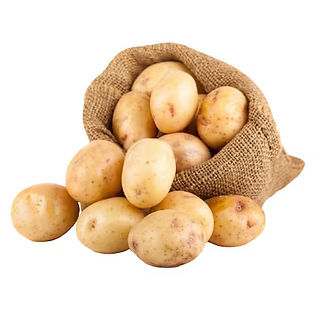
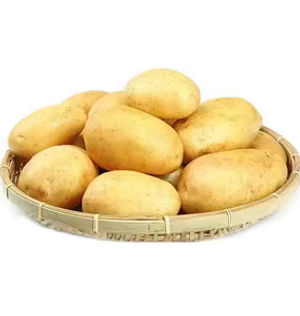
POTATOES GROWING


Growing Potatoes: Requirements, Conditions, And Techniques
Growing potatoes has great revenue potential, but producing high-quality tubers on a large scale poses specific challenges. From pre-planting to harvesting, the process of growing potatoes requires close attention to crop requirements and mastering the whole growth cycle using innovative techniques to gain a competitive edge. Precision agriculture systems aid in potato planting, irrigation, and fertilizer application, while GPS-guided agriculture machinery eliminates overlapping and speeds up field activities. Combining this with integrated weed and pest management, regular plant hilling, and gentle machine harvesting, farms can achieve better yields and higher profits.
Favorable Potato Growing Conditions
Even in less-than-ideal growing conditions, plants can produce a respectable yield. Still, choosing a field with favorable growing conditions from the start will help the farmer save time and resources.
Soil Requirements For Growing Potatoes
While potatoes grow in different soils, the best one is sandy loam or another type of loose, well-drained soil rich in nutrients. It may be necessary to irrigate plants growing in sandy soils more frequently to keep them adequately moist. Misshapen tubers can grow in poorly drained soils that have a fine texture and a high concentration of clay and silt.
The crop grows well in neutral soils with a pH of 5.5 to 6.0. More alkaline soils have a higher prevalence of common scab, a tuber-affecting soil-borne disease. It’s recommended to get your soil tested before planting crops. This way, you’ll know if the soil is already suitable for planting potatoes or if it needs any amendments.

Temperature And Sun Requirements For Growing Potatoes
Optimal potato growing temperatures range from 65–80°F (18–29°C) during the day to 55–65°F (13–18°C) at night. At least six hours of sunlight every day are needed for crops to grow well. Though they prefer direct sunlight, potatoes may also grow in a dappled shade. However, the yield drops and the tubers get smaller as a result of growing in a dappled shade.
EOSDA Crop Monitoring makes it simple to keep tabs on the weather in your fields. You can acquire field-specific temperature data, both historical and forecast. Use historical data as far back as 1979 for pre-planting analysis to determine if the field is suited for growing potatoes commercially. Rely on a 14-day forecast for flexible planning and scheduling of your field operations.
Preparing Seed Potatoes For Planting
Seed potatoes are tubers for planting, specially selected and prepared. Cutting potatoes is a common planting preparation procedure. The tiny sprouts on the pieces, also known as eyes, are the starting point for the plant’s stems and roots. The plants grow quickly from the very beginning, thanks to the energy stored in the seed pieces.

Soil Preparation
The soil after brassicas, which loosen it, provides favorable conditions for potatoes to grow. To lessen the chances of spreading disease-causing germs or viruses, avoid growing potatoes in a field that has already been planted with other crops in the Solanaceae family.
Conventional soil preparation procedures involve tilling the soil 8–10 inches (20–31 cm) deep and applying 3–4 inches (8–10 cm) of organic fertilizer or compost four to six weeks before planting. For fields with clayey soil or poor drainage, raised beds may be the way to go. Before planting potatoes, make sure the bed is level by raking away any rocks and debris.
Although relatively few potato farmers are now adopting minimum tillage, many are already making progress toward this approach through cover cropping. The farmers who grow the crop using minimum tillage techniques are sure that this method reduces disease pressure and increases the soil’s ability to store water .

Planting Potatoes
The potato growing season begins in the spring, about 2–4 weeks after the last frost. Plant seed potatoes in soil with a temperature of at least 45°F (7°C). Cold soil, whether wet or dry, is always a source of concern: wet soil increases the risk of rotting seed pieces, whereas dry soil slows germination and seedling emergence.
For best results, a potato planting depth of 2–3 inches (6–8 cm) is optimal in most soils, but you can go as deep as 4 inches (10 cm) in sandy soils. For medium-sized types, the recommended spacing between rows is 30 to 36 inches (76 to 91 cm), and the seed pieces should be 9 to 12 inches (22 to 30 cm) apart inside each row. While broader potato planting spacing does produce larger tubers overall, it might cause developmental defects like hollow hearts in certain varieties
Care For Growing Potato Plants
A healthy plant is essential for a good yield. By focusing on proper maintenance practices throughout the potato growing season, you can ensure robust growth, minimize the risk of diseases, and maximize the yield of high-quality tubers.
Timely Weed, Pest, And Disease Management
Weeds, along with competing for resources with growing potatoes, serve as hosts for diseases and pests. Different weeds pose risks in different growing regions, but weed management approaches are generally the same. Shallow cultivation is a good method to start with. To avoid damaging tubers in the late growing season, pick weeds by hand rather than hoeing them. Mulches can also prevent weeds from growing while keeping the soil moist.
The plants’ leaves are a window into many of the issues caused by pests and diseases. Let’s take a look at the most common disorders and how they manifest themselves so that you can pinpoint the source of your problem and devise an appropriate treatment strategy to avoid potato growing problems.
Did you know that it’s potato menu month at Sweet Tomatoes and Souplantation restaurants? One of the delicious potato dishes we will be serving this month is a Roasted Potato Salad with Chipotle Chile Vinaigrette made with red potatoes, one of the seven unique potato types – that’s right one for everyday of the week
Planting
-
How:
Plant pieces 2-4 inches deep, eyes facing up, spaced 9-12 inches apart in rows 30-36 inches apart.
-
When:
Spring, 2-4 weeks after the last frost, when soil temps are at least 45°F (7°C).
-
Where:
A spot with 6-8 hours of direct sun and loose, well-draining, fertile soil (pH 5.8-6.5).
-
Use certified seed potatoes or small whole ones; larger ones can be cut, ensuring each piece has at least one eye (sprout) and dries for a day or two.
Care & Hilling
-
Hilling:
When stems are 6-8 inches tall, mound soil or straw around them, leaving the top leaves exposed. Repeat every time they grow another 6-8 inches, as tubers grow on the stem and must stay in the dark to avoid turning green and toxic.
-
Watering:
Keep soil moist but not soggy; consistent moisture is key for tuber development.
-
Fertilizing:
Potatoes are heavy feeders; use compost and a low-nitrogen, high-potassium fertilizer.
.......How long do potatoes take to grow? It depends on the variety and conditions. Most potatoes take 70 to 120 days from planting to maturity. You can harvest small "new potatoes" as early as 10 weeks after planting, but full-size tubers usually need more time and are ready once the vines die back.
As of late 2026, potato prices in Kenya are fluctuating based on supply, with wholesale prices for a 90-95kg bag ranging from approximately Ksh 3,200 to Ksh 8,000 in major markets. Retail prices, especially in supermarkets and urban areas, hover around Ksh 25-34 per kilogram. Prices are highly volatile, often influenced by seasonal weather patterns and supply availability, with some areas experiencing lower rates due to high local supply.

HAMPSHIRES


Use: Hampshires are commonly used as terminal sires for commercial flocks because they pass along valuable production traits like efficient feed conversion and rapid growth. This breed yields a lean, heavy carcass and also gives around 8 pounds of dense, fine wool with a spinning count in the 54s to 60s and a staple length of 2 to 3½ inches.
History: Hampshire County located on the south coast of England, an area with a kinder climate than many parts of Britain. This large breed arose from sheep native to the district and bordering areas, possibly the Old Hampshire, Berkshire Knot, Southdown, and Willshire Horn. A Cotswold ram owned by John Twynam also seems to have also played a role in the development of what is still called the Hampshire Down in Britain. The first Hampshires came to the United States in 1840; however, these sheep apparently met an untimely end during the Civil War. Fortunately, more sheep arrived in 1879.
Conformation: With their large size, strong muscling and deep, blocky bodies, Hampshires look like the oxen of the sheep world. The hefty mature rams can tip the scales at more than 275 pounds, while the ewes weigh 200 pounds or more. This polled breed fits the stereotype most humans have of sheep: white wooled with a wool cap over an “open” dark face and moderately long, slightly drooped ears. Their legs are also dark, with some wool present below the knees.
Special Considerations/Notes: Hampshires have a long breeding season, and the ewes experience a large percentage of multiple births. Though these big, active sheep may look a bit intimidating, raisers describe them as quiet and laid-back, a plus for farmers and exhibitors.
The Hampshire is a medium-sized breed of sheep that originated in the south of England in the 19th century. It was developed by crossing Southdown sheep, Wiltshire Horns, and Berkshire Knots, among other breeds. It is a dual-purpose sheep, meaning it can be used for meat and wool production
Key Details About Hampshire Sheep:
-
Purpose: Primarily meat (mutton/lamb).
-
Meat Quality: Renowned for being tender, flavorful, and not having a strong smell during cooking.
-
Characteristics: Large, blocky, and, fast-growing. They have dark brown to black faces and legs, with white wool.
-
Wool Type: Medium-grade, dense, and, white.
-
Usage: Often used as a terminal sire to crossbreed with other sheep to improve carcass quality.
FeatureHampshire SheepDorper Sheep
Maturity8–10 months6–8 months
Weight at 12 Months70–90 kg (rams)80–100 kg (rams)
Lambing RateAverage (1–2 lambs per birth)High – often twins or triplets
Market Price in Kenya25,000Ksh –48,000Ksh18,000Ksh–40,000Ksh
Join the Conversation #FriendsConservation
/01.jpg)
/02.jpg)
/03.jpg)
/04.jpg)